Why zebras cannot be domesticated or ridden like horses
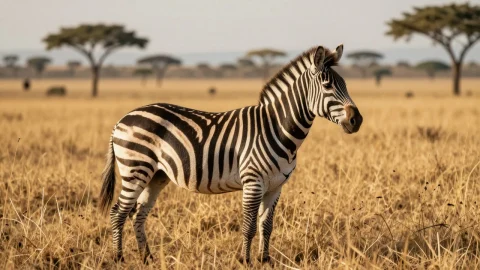
Discover why zebras cannot be domesticated or ridden like horses, exploring their intense defense mechanisms, back structure, and wild survival instincts.

Curiosities, questions and fascinating facts
 Animals Editorial Team
Discover why zebras cannot be domesticated or ridden like horses, exploring their intense defense mechanisms, back structure, and wild survival instincts.
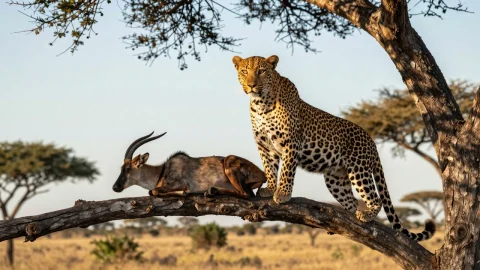
Discover what leopards eat in the wild, from ungulates to small mammals, and learn how their stealthy hunting habits and tree caching ensure their survival.
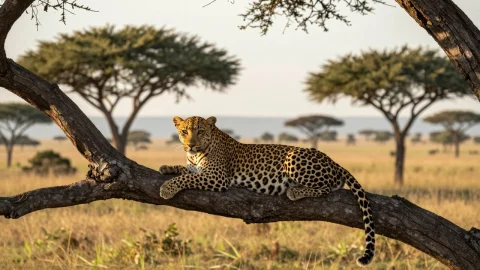
Discover where leopards live in the wild, exploring their broad geographic distribution across Africa and Asia and the diverse ecosystems they inhabit.
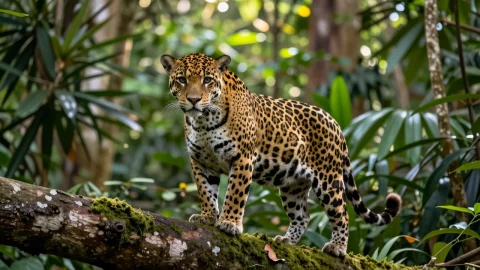
Discover the key differences between leopards and jaguars, including rosette patterns, physical build, geographic habitats, and unique hunting styles.
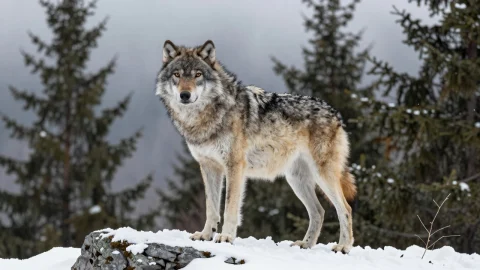
Adult gray wolves usually weigh 70 to 145 pounds, reaching up to 175 pounds, with shoulder heights of 26 to 33 inches and lengths up to 6.5 feet.
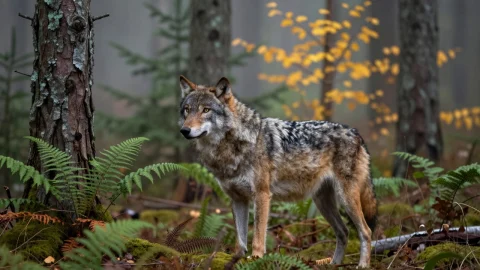
Learn about wild wolf behavior, human safety facts, and why wolf attacks are extremely rare. Discover practical tips for safe encounters in wolf habitat.
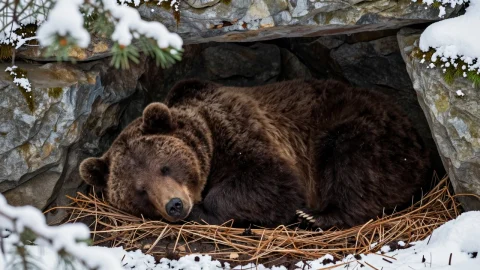
Bears undergo winter dormancy known as torpor, lowering their heart and metabolic rates while staying capable of waking up to survive cold months.
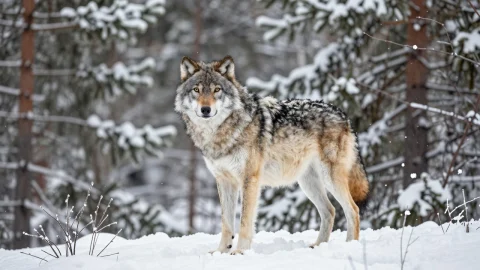
Learn what wolves eat in the wild, from large ungulates like elk and deer to small mammals, seasonal salmon, and scavenging habits across their habitats.
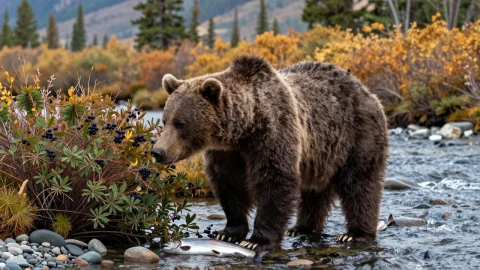
Wild bears are versatile omnivores eating berries, vegetation, fish, insects, and mammals depending on species, region, and season to build fat reserves.
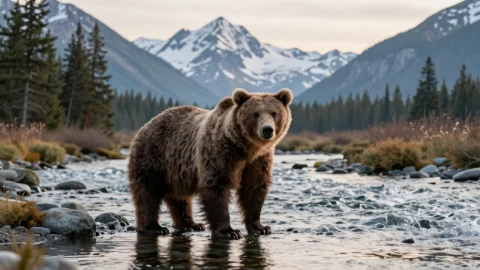
Discover where bears live around the world, from Arctic sea ice to tropical forests, and explore the essential habitat features key to their survival.