How many hours a day do lions sleep in the wild
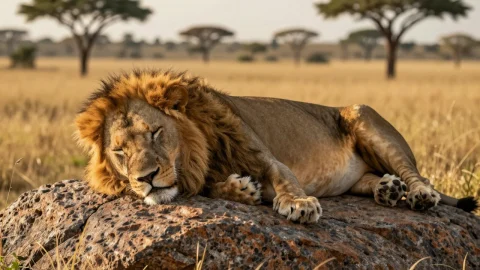
Discover how many hours a day lions sleep in the wild, why they rest up to 20 hours daily, and how males and females divide their sleeping habits.

Curiosities, questions and fascinating facts
 Animals Editorial Team
Discover how many hours a day lions sleep in the wild, why they rest up to 20 hours daily, and how males and females divide their sleeping habits.
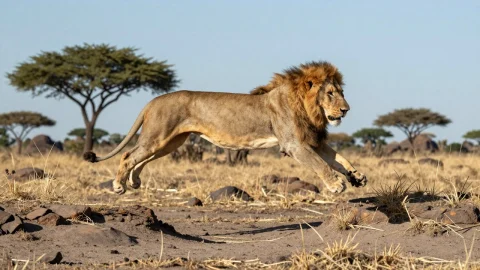
Discover how far a lion can jump horizontally and vertically, exploring the physical adaptations and hunting techniques that enable these explosive bounds.
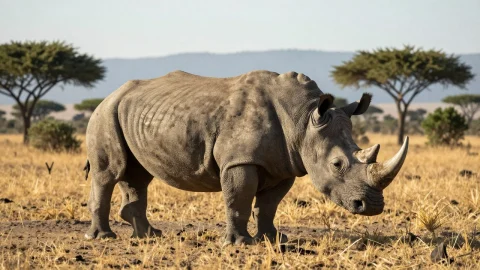
Discover how heavy rhinoceroses can get by species, from black and Sumatran rhinos to the white rhino, which reaches maximum weights of 3,600 kg.
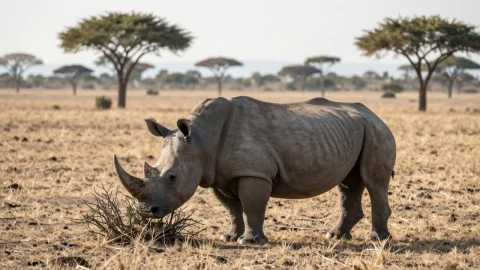
Learn about the endangered status of the five rhino species, the primary threats of poaching and habitat loss, and ongoing conservation efforts.
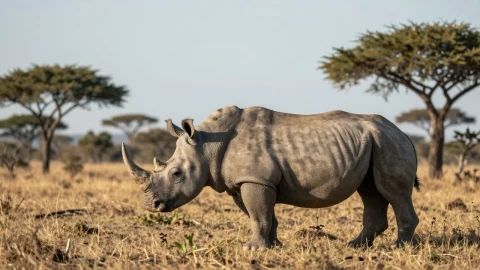
Discover why rhinoceroses have horns, their evolutionary uses for defense and foraging, and how their solid keratin structure differs from bone.
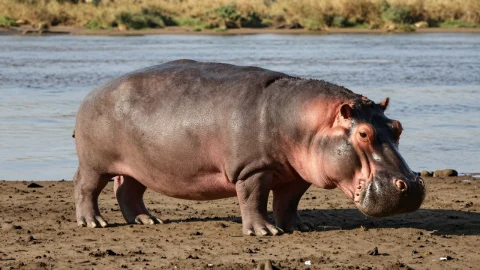
Learn how heavy a hippopotamus can get, from average male and female weight ranges to maximum recorded weights and key factors influencing their mass.
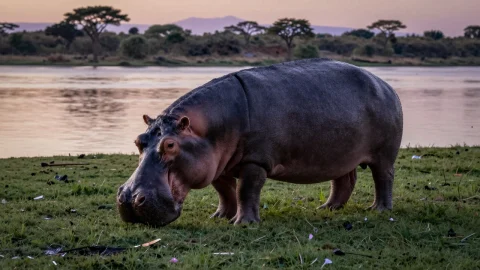
Learn what hippopotamuses eat in the wild, from nocturnal grass grazing to their unique low-energy digestive system and rare carnivory incidents.
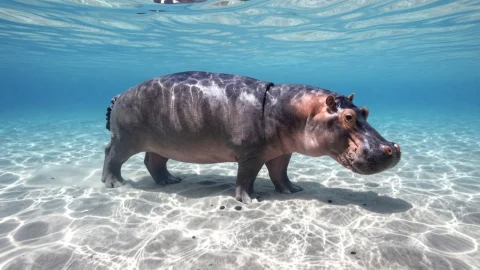
Discover why hippopotamuses cannot swim and how their dense bodies run, walk, and bounce along riverbeds while navigating aquatic environments.
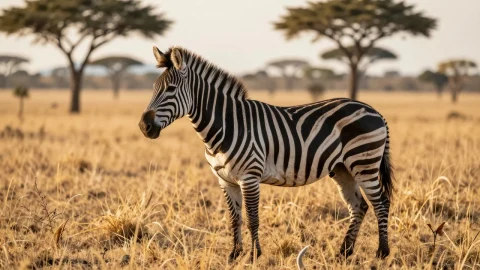
Zebras are scientifically proven to be black with white stripes. Dark skin forms their foundation, while white stripes result from suppressed melanin production.
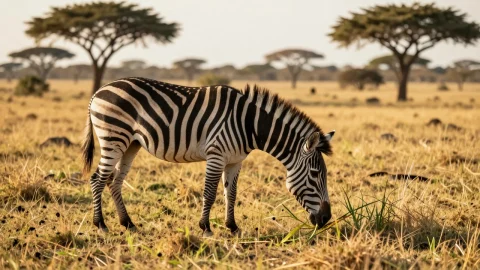
Zebras are strict herbivores that primarily eat coarse grasses, along with leaves, shrubs, and bark, digesting fibrous vegetation via hindgut fermentation.