Do squirrels remember where they bury nuts? Cache memory
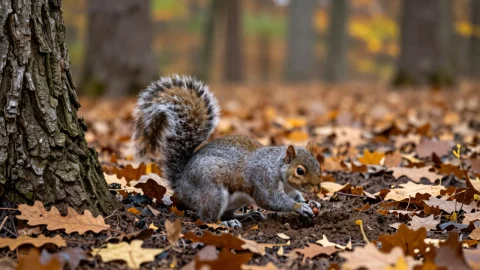
Eastern gray squirrels use spatial memory and smell to recover buried nuts, organizing caches by seed type and using deceptive tactics to outwit rivals.

Curiosities, questions and fascinating facts
Eastern gray squirrels use spatial memory and smell to recover buried nuts, organizing caches by seed type and using deceptive tactics to outwit rivals.
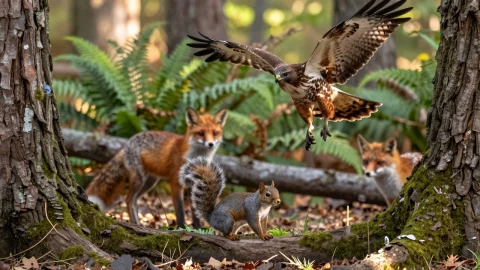
A squirrel’s biggest enemies vary by habitat: pine martens and raptors in forests, grizzly bears on tundra, and cats and cars in cities.
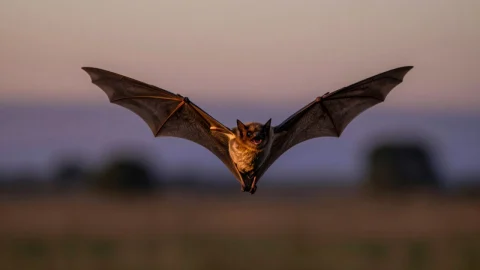
Bats are beneficial outdoors as insect hunters, pollinators, and seed dispersers, but indoor roosts bring guano hazards and rabies risks that require careful management.
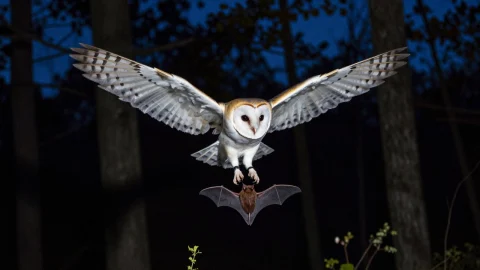
Owls, snakes, raccoons, spiders, and even other bats prey on bats at night, targeting them mostly at roosts rather than in flight.
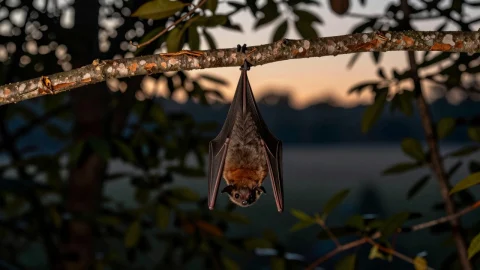
Bats normally avoid humans, and evidence shows that those which approach people are often sick. Here is what the research actually says about bat behavior and risk.
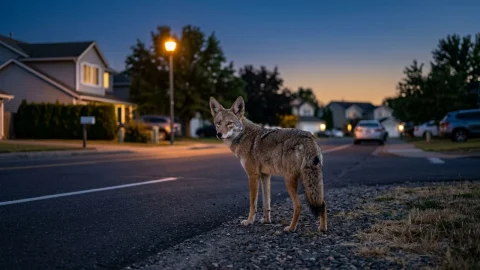
Coyotes rarely bite people and almost always flee from humans. Learn what triggers the exceptions, who is most at risk, and how to prevent conflict.
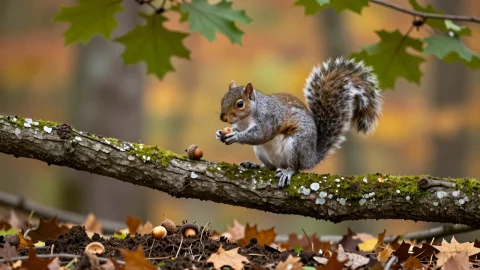
Squirrels bury seeds that grow into trees and feed rare predators, but they also raid feeders, strip bark, and gnaw into homes. Whether they help or harm depends on where they are.
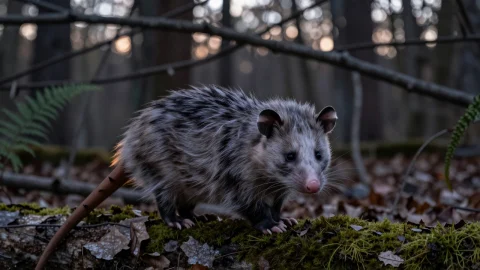
Opossums can carry rabies but confirmed cases are rare. A cool body temperature and low survival odds make them unlikely hosts next to bats, raccoons or skunks.
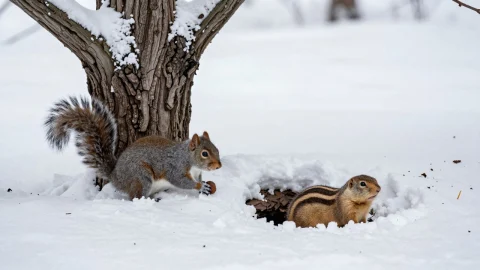
Tree squirrels stay active all winter by caching food. Only some ground squirrels truly hibernate, dropping close to freezing for months at a time.
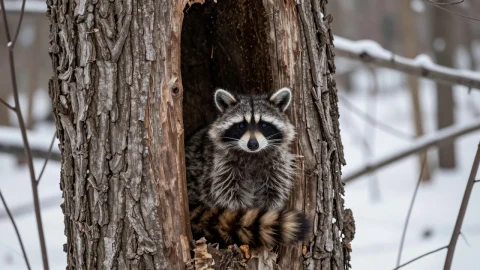
Raccoons do not hibernate. Instead they enter torpor, a flexible winter sleep that slows their metabolism while allowing them to wake and feed whenever conditions improve.